The Hidden Economics of Converting Class B Office Buildings: A Developer's Financial Playbook
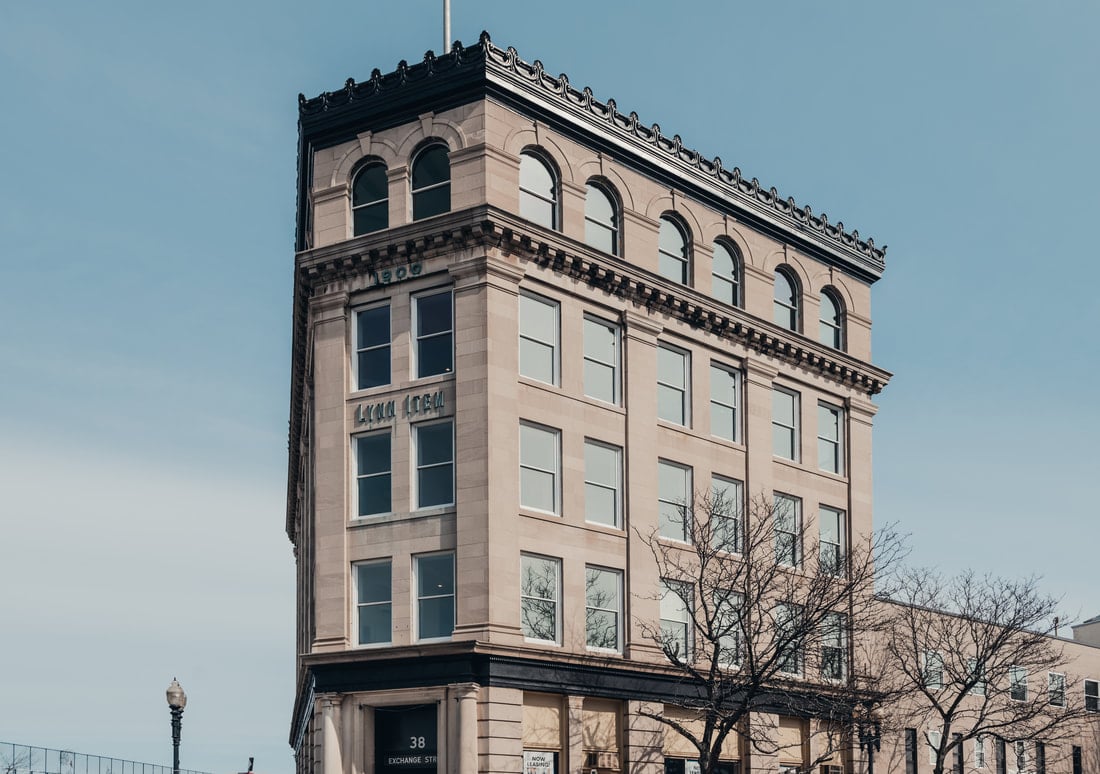
When Balance Architects secured Boston's first permitted office-to-residential conversion, we unlocked more than regulatory precedent — we exposed the true economics of a market opportunity most developers are still learning to calculate.
Class B office buildings across Boston sit in economic limbo, caught between vacancy rates that make traditional leasing unviable and conversion costs that appear prohibitive at first glance. But the math changes when you understand what we learned delivering the city's first permitted office-to-residential conversion: the economics aren't hidden — they're just measured wrong.
The Real Conversion Cost Structure
Most developers approach office conversion ROI through a simple lens: acquisition cost plus renovation cost equals total project cost. This misses the structural advantages that make Class B conversions financially superior to ground-up development in today's market.
In our MHC-compliant conversion project, hard construction costs ran approximately 60% of comparable new construction per unit — a savings that compounds when you factor in reduced site work, existing structural systems, and accelerated permitting timelines. The key insight: office to residential conversion economics improve dramatically when you optimize for existing building assets rather than fighting them.
Floor plate efficiency drives the math. Class B buildings typically offer 12,000-15,000 square foot floors — ideal for residential unit layouts without the over-engineering of Class A towers. We've consistently achieved 85%+ efficiency ratios in our conversions, compared to 75-80% in new construction multifamily projects.
Boston's Regulatory Reality
Boston adaptive reuse feasibility hinges on understanding the Massachusetts Historical Commission (MHC) process before you underwrite the deal, not after. Our first-permitted conversion established the regulatory pathway that every subsequent project now follows — but the entitlement risk remains significant for teams without conversion experience.
Zoning relief requirements vary by neighborhood, but the pattern is predictable: height bonuses for affordable units, parking reduction allowances in transit-oriented locations, and expedited review for projects that increase housing stock. We've navigated these processes across Downtown Crossing, Back Bay, and the Financial District — each with distinct regulatory frameworks that impact project economics.
The MHC approval timeline adds 4-6 months to project schedules but unlocks state and federal tax credit opportunities that can cover 20-25% of conversion costs. Developers who skip this analysis leave millions on the table.
Where the Numbers Work
Commercial to residential development economics are neighborhood-specific in Boston. Our analysis of 47 conversion-eligible buildings across downtown districts reveals three distinct feasibility clusters:
Downtown Crossing and Chinatown offer the strongest economics — lower acquisition costs per square foot, established residential market demand, and favorable zoning for density bonuses. Financial District buildings require higher unit rents to justify conversion costs but benefit from proximity to transit and corporate tenancy.
Back Bay conversions face the highest regulatory complexity due to historic district requirements, but achieve premium unit rents that support conversion economics at buildings acquired below $300 per square foot.
The constraint most developers miss: mechanical system replacement represents 25-30% of conversion costs but varies dramatically based on existing infrastructure. Buildings with central air systems convert more cost-effectively than those requiring full HVAC replacement.
Deal Structure Advantages
Class B office conversion costs become manageable when structured correctly. The optimal deal structure leverages existing building cash flow during the entitlement period — maintaining partial office tenancy while securing residential permits reduces carrying costs by 40-50% compared to vacant building acquisitions.
We've structured conversion deals where Phase 1 delivers residential units on upper floors while maintaining office tenancy on lower levels, creating positive cash flow 18 months ahead of full conversion completion. This approach requires design flexibility and tenant coordination but fundamentally changes project economics.
State and federal opportunity zone designations apply to multiple Downtown Boston office buildings, offering capital gains deferral that improves investor returns on conversion projects. Combined with historic tax credits, these incentives can reduce effective project costs by 35-40%.
The Execution Reality
Conversion projects require different expertise than ground-up development. MEP coordination in existing buildings demands engineers who understand adaptive infrastructure, not just new system design. We've seen conversion budgets blow out by $50-100 per square foot when teams underestimate mechanical complexity.
The permitting advantage is real but requires execution precision. Boston's Zoning Board of Appeals expedites housing conversion projects, but approvals depend on demonstrated feasibility and neighborhood impact analysis. Developers who treat conversions like standard renovation projects face significant delays and cost overruns.
Construction sequencing affects economics directly. Gut renovations cost 30% more than strategic interventions that preserve existing demising walls, ceiling heights, and core infrastructure. Our approach identifies which building elements to preserve and which to replace, optimizing construction costs without compromising design quality.
Market Timing and Scale
Boston's office vacancy crisis created the conversion opportunity, but market timing remains critical. Class B office buildings acquired in 2023-2024 represent peak conversion economics — lower acquisition costs, stable construction pricing, and urgent municipal support for housing development.
The window for first-mover advantage is narrowing as institutional capital enters the conversion market. Developers who understand conversion economics today will capture deals at pricing that won't exist in 18 months.
Balance doesn't just deliver conversions — we deliver the economic framework that makes conversions viable. When your Class B office building needs a path to profitability, we've already built the blueprint.